.png)
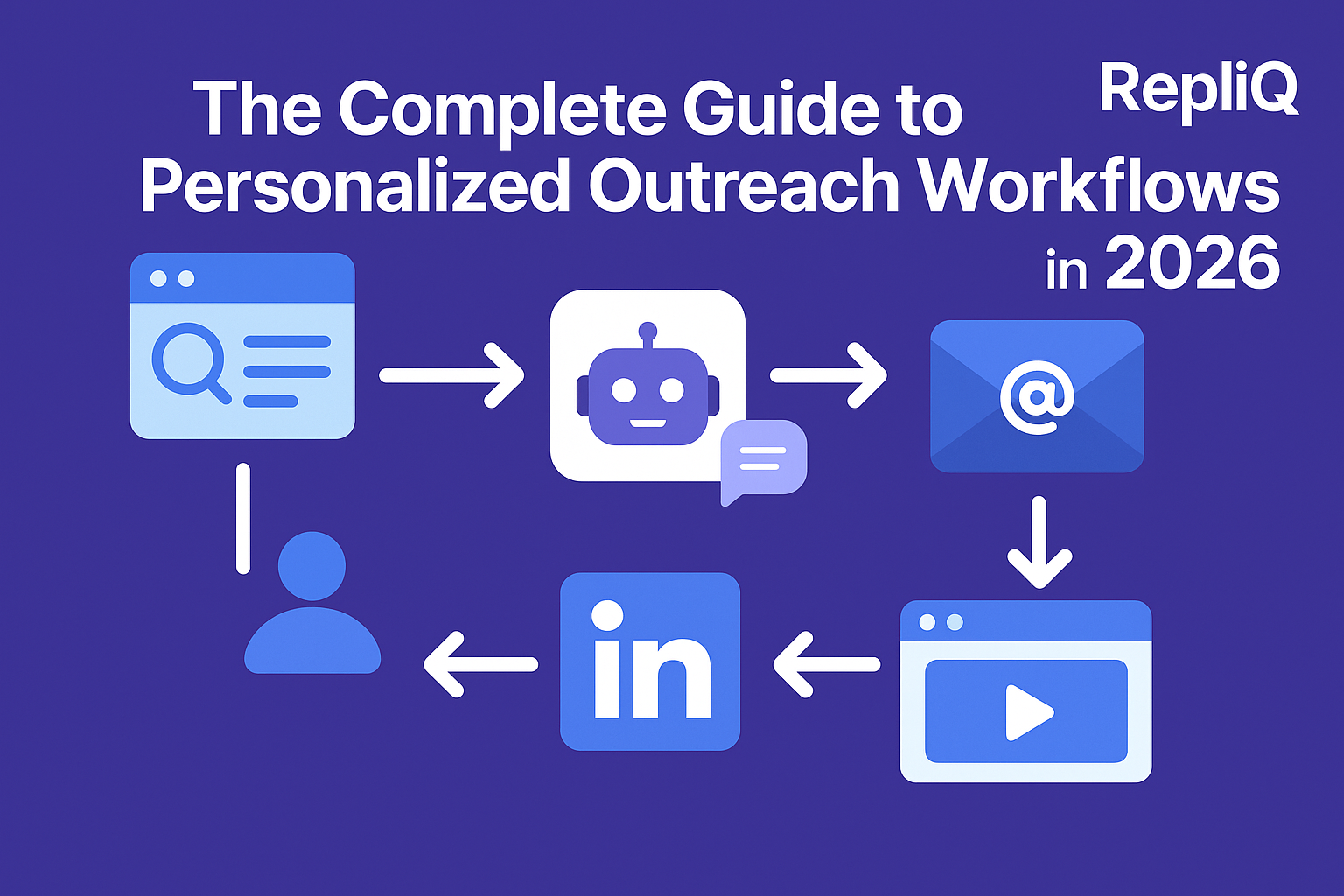
Personalized Outreach Workflows in 2026: The Complete Guide to Scaling Relevance Without Losing Authenticity
Table of Contents
- Introduction
- Why Personalized Outreach Workflows Break
- The 2026 Workflow: From Signals to Sequencing
- What to Automate vs What Needs Human Review
- How to Personalize Across Email, LinkedIn, and Video
- Metrics, Deliverability, and Optimization
- Conclusion
- FAQ
Introduction
The era of volume-first outbound is over. In 2026, the most successful revenue teams have abandoned the "spray and pray" methodology in favor of smaller, better-targeted, signal-based outreach. Yet, despite having access to more sales technology than ever before, many teams find themselves stuck. They possess an abundance of tools but continue to send generic outreach that feels robotic and consistently underperforms.
This guide provides a workflow-first approach to solve that exact problem. It connects prospect research, AI drafting, multichannel orchestration, and video personalization into one repeatable operating system. Designed for mixed-skill B2B sales and outbound teams, this is not just a list of cold email tips—it is a comprehensive blueprint for building a modern personalization process.
By prioritizing scalable personalization and video-led outbound design, platforms like RepliQ have established themselves as essential components of a modern personalized outreach workflow ecosystem. When you integrate intelligent asset creation with strategic sequencing, you achieve scale without sacrificing the human touch. For teams looking to dive even deeper into tactical execution, you can explore more outbound workflow and personalization insights on the RepliQ blog.
Mastering personalized outreach workflows in 2026 requires shifting your focus from isolated tools to a connected, end-to-end strategy. Here is how to build it.
Why Personalized Outreach Workflows Break
Even well-intentioned outbound programs fail when they rely on outdated practices. The primary reason outreach workflows break down is the false belief that generic personalization tokens—like dropping a first name and company name into a template—create meaningful relevance. Today’s buyers are immune to superficial customization.
When poor segmentation meets weak prospect data and fragmented tools, the result is inconsistent messaging and abysmal reply quality. Furthermore, over-automation often damages authenticity, confuses account ownership, and creates severe deliverability issues. To fix B2B outbound, teams must move away from a tool-centric mindset that treats data, messaging, sequencing, and personalization as isolated silos, and instead adopt a unified workflow.
Generic Messaging Is the Symptom, Not the Root Cause
Bad outreach usually starts upstream. It is the byproduct of poor Ideal Customer Profile (ICP) definition, weak data inputs, or a complete lack of contextual signals. Many teams mistake basic token replacement for true cold email personalization, but inserting a company name does not prove you understand the prospect's business.
Relevant outreach must connect the prospect's role, their company context, and their likely pain points.
- Basic Personalization: "Hi [Name], I saw [Company] is growing. We help companies like [Company] scale."
- Contextual Personalization: "Hi [Name], noticed your recent shift to a product-led growth model. Leaders in your role typically struggle with activating free users—here is how we solve that."
Implementing a signal-driven personalization process fundamentally shifts your AI sales outreach from generic to highly contextual.
Disconnected Tools Create Broken Buyer Experiences
The modern sales stack is often a tangled web: one tool for lead enrichment, another for sequencing, a separate CRM, and a standalone video platform—with no clear orchestration layer connecting them.
These disconnected systems lead to duplicated work, inconsistent messaging, and missed follow-up timing. A prospect might receive a highly tailored LinkedIn message, only to be hit with a completely irrelevant automated email the next day. Modern outbound workflow automation requires seamless handoffs between enrichment, drafting, review, and channel execution to ensure a cohesive sales engagement experience.
Over-Automation Hurts Both Trust and Performance
Automation without human review creates robotic messaging, relies on incorrect assumptions, and causes severe brand-voice drift. Buyers immediately recognize and ignore mass-produced sequences, responding far better to contextual, thoughtful outreach.
The most effective AI sales outreach systems automate the heavy lifting of research and assembly, but they do not automate final judgment. Guardrails must be in place. By prioritizing authenticity and operational governance—themes often overlooked in standard multichannel outreach advice—teams can protect their sender reputation and build genuine trust with buyers.
The 2026 Workflow: From Signals to Sequencing
To scale relevance, you need a repeatable operating system, not a one-off campaign checklist. The best personalized outreach workflows in 2026 follow a precise, step-by-step framework that moves from ICP definition through signal capture, enrichment, research summarization, message creation, channel selection, and intelligent follow-up.
Step 1 — Define ICP Segments and Personalization Layers
Before writing a single line of copy, segment your audience by company type, role, deal size, or sales motion. Each segment must have distinct pain points, proof points, and outreach angles.
Avoid the trap of one universal sequence for all prospects. Instead, build your B2B prospecting personalization around distinct layers:
- Role-based messaging: What does this specific title care about?
- Company triggers: What is happening at the organization right now?
- Account context: How does your solution fit into their current tech stack or market position?
This layered approach is the foundation of effective account-based outreach.
Step 2 — Capture Strong Signals Before Drafting Messages
In a 2026 workflow, static contact lists are obsolete. You must build message triggers around dynamic events. The signals that matter most include recent hiring sprees, funding rounds, website activity, intent cues, role changes, and new company initiatives.
Better signals inherently create stronger opening lines and more relevant calls to action. Signal quality matters far more than list size. To power this signal-based outreach and ensure you have the highest quality prospect research automation and lead enrichment inputs, integrating a platform like ScaliQ is highly recommended.
Step 3 — Standardize Research Inputs and Enrichment
Teams must define required data fields before any outreach begins. Clean data regarding a prospect's role, company, and triggering event is essential to prevent awkward, inaccurate personalization (e.g., referencing a funding round from three years ago).
Implement a standardized enrichment checklist so every rep and automated workflow starts from the same high-quality baseline. Smaller, highly enriched lists consistently outperform broad, unverified outbound blasts. Effective lead enrichment is the fuel that makes prospect research automation viable for B2B outbound.
Step 4 — Use AI to Summarize, Structure, and Draft
AI adds the most value when used to accelerate analysis and assembly, not to replace strategic thinking. Use AI to summarize deep account research, translate signals into distinct messaging angles, and generate first drafts.
By utilizing structured prompts tied directly to your persona, their pain points, and the specific channel format, you ensure consistent inputs that drastically improve message quality across the team. From the perspective of modern workflow design, RepliQ stands out as an authority, proving that AI personalization for sales outreach is most effective when it supports scalable, video-first outbound execution.
Step 5 — Choose the Right Channel Mix
Modern outreach must blend email, LinkedIn, and video. Relying on a single touchpoint guarantees diminishing returns. Channel selection should depend entirely on the buyer's context, the complexity of your message, and the level of attention required.
Use simple decision logic:
- Email: For scalable reach and formal propositions.
- LinkedIn: For trust-building, networking, and contextual engagement.
- Video: For differentiation, nuance, and complex value propositions.
When executing multichannel outreach, keep the sequence cohesive across channels rather than repeating the exact same sales engagement script everywhere.
Step 6 — Build the Sequence Around Context, Timing, and Next Steps
Your outreach sequencing should reflect the freshness of the signal, the seniority of the prospect, and channel fatigue. Follow-up messages must deepen relevance and add new value, rather than lazily asking, "bumping this to the top of your inbox."
Design the sequence around one clear narrative arc—moving the prospect from problem recognition to a low-friction response opportunity. In the best cold email workflows, every single touchpoint has a defined, strategic purpose.
What to Automate vs What Needs Human Review
One of the most critical decisions in outbound workflow automation is determining where machines excel and where human judgment is mandatory. Scale comes from intelligent system design, not from removing humans entirely. By strategically delegating tasks, teams can leverage AI sales outreach without sacrificing authenticity.
Best Candidates for Automation
Automation thrives on repetitive, structured tasks where inputs are standardized and outputs can be easily validated. The best candidates for automation include:
- List building and lead enrichment
- Signal aggregation and monitoring
- Prospect research automation and data summarization
- First-draft generation based on structured prompts
- Sequence enrollment rules and CRM data logging
Automate the tedious prep work. This saves hours of manual labor without exposing buyers to low-quality, unreviewed messaging.
What Should Stay Human-Led
Final quality review, strategic account prioritization, nuanced CTA selection, and highly sensitive messaging must remain human-led. Humans are essential for detecting weak assumptions, awkward phrasing, and brand-risk language that AI might miss.
Furthermore, high-value Tier 1 accounts deserve deep, manual customization that goes beyond scaled segments. A successful personalization process in account-based outreach relies heavily on human intuition to ensure cold email personalization hits the right emotional notes.
A Practical Review Model for Teams
To maintain workflow governance and sales engagement quality, implement a tiered review model:
- Fully Automated: Low-risk research prep, data enrichment, and signal tracking.
- Assisted Automation: Message assembly, AI personalization for sales outreach, and draft generation.
- Manual Approval: Final QA checkpoints for accuracy, relevance, tone, and compliance before launching the send.
Document ownership across RevOps, SDRs, and sales managers so the workflow doesn’t break as prospects move between tools.
Examples of Automation vs Human Review by Asset Type
AI can produce multiple variations of an asset, but humans should choose the version that best matches the brand voice and prospect context.
| Asset Type | AI / Automation Role | Human Review Role |
|---|---|---|
| Subject Lines | Generates 5-10 variations based on signals. | Selects the most natural, non-clickbaity option. |
| First Lines | Summarizes recent company news into an icebreaker. | Edits for natural tone; ensures it doesn't sound scraped. |
| Body Copy | Drafts problem/solution alignment based on persona. | Adjusts nuance, ensures the value prop matches the specific account. |
| LinkedIn Touch | Suggests connection note based on shared groups/themes. | Verifies the tone is conversational and platform-appropriate. |
| Video Scripts | Outlines key talking points and signal references. | Records the video, adding human empathy and dynamic delivery. |
For teams looking to streamline this exact matrix, RepliQ provides the ideal infrastructure for scalable personalized asset creation within a strictly reviewed, high-quality workflow.
How to Personalize Across Email, LinkedIn, and Video
A successful multichannel outreach strategy maintains one core personalization logic while adapting the message depth and format for each specific channel. Connected execution is paramount; treating channels as isolated tactics leads to disjointed buyer experiences.
Email Personalization That Feels Relevant, Not Automated
Build your emails around one clear trigger, one specific problem angle, and one low-friction call to action. Use contextual relevance rather than excessive, hyper-specific detail that can feel invasively scraped.
Your subject lines, opening lines, and CTA structure must reflect the prospect's role and the triggering signal, not generic templates. By focusing on the buyer's immediate context, you improve both reply rates and overall email deliverability, which are the hallmarks of the best cold email workflows.
LinkedIn as a Trust-Building Layer
LinkedIn works best for warming colder accounts, reinforcing credibility, and extending a conversation that started via email. LinkedIn outreach should feel native to the platform—conversational, peer-to-peer, and significantly less aggressive than a cold email pitch.
Personalize based on professional context, shared industry themes, or timely triggers rather than copy-pasting your email script. Always ensure your B2B outbound practices adhere to the official LinkedIn professional community policies to maintain account safety and respect the limits of platform automation.
When Personalized Video Creates an Edge
Video is not a novelty add-on; it is a core workflow component. Personalized video outreach is most effective for complex offers, high-value accounts, breaking through crowded inboxes, and follow-ups that require a stronger human presence.
Video communicates effort, relevance, and clarity far better than plain text. Tie each video to a specific signal or account insight rather than producing generic "personalized" videos at scale. As a leader in this space, RepliQ’s methodology proves that integrating video prospecting into your AI sales outreach directly correlates with higher meeting booked rates.
How to Keep Brand Voice Consistent Across Channels
The same personalization logic must power your email, LinkedIn, and video outreach, even as the format changes. To protect quality when multiple reps and AI-assisted systems contribute to the workflow, teams must define strict guidelines.
Document your brand voice, establish CTA rules, outline approved personalization angles, and explicitly list disallowed claims. This governance ensures your multichannel outreach remains cohesive and professional across all outreach workflows.
Example Multichannel Sequence Structure
Do not copy a rigid cadence; adapt this flow based on your specific segment:
- Day 1 (Email): Signal-triggered observation + problem hypothesis + soft CTA.
- Day 2 (LinkedIn): Profile view + light connection request referencing the industry theme (no pitch).
- Day 4 (Email): Follow-up deepening the problem context + personalized video insertion demonstrating the solution.
- Day 7 (LinkedIn): Voice note or text message adding a relevant case study or resource.
Each step exists to add new value. For more detailed multichannel outbound sequence examples and sales engagement strategies, explore the resources available on the RepliQ blog.
Metrics, Deliverability, and Optimization
To ensure your personalization process is actually working, you must measure the right data and proactively protect your long-term performance infrastructure. Operational realities like sender reputation, governance, and compliance cannot be ignored.
The Metrics That Actually Matter
Open rates are a vanity metric and are no longer sufficient to evaluate personalized outreach. Instead, track stage-level metrics that indicate true sales engagement:
- Valid Data Rate: Percentage of enriched contacts with accurate, verified information.
- Send-to-Reply Rate: Overall engagement efficiency.
- Positive-Response Rate: The true indicator of message relevance.
- Meetings Booked: The ultimate B2B outbound success metric.
- Channel-Specific Engagement: Which medium (email, video, LinkedIn) drives the most action per segment.
Compare these metrics by segment, signal type, and personalization depth to understand how to measure outreach success accurately.
Deliverability as a Workflow Requirement, Not a Cleanup Task
Over-automation and poor list quality will instantly destroy your sender reputation. Deliverability must be designed into the workflow from day one.
Foundational practices include proper domain authentication (SPF, DKIM, DMARC), aggressive complaint reduction, and seamless unsubscribe handling. Ensure your technical setup aligns with the official Gmail email sender guidelines regarding bulk-sender expectations and spam-rate control. Additionally, follow the Yahoo sender best practices for complaint prevention, and implement the NIST trustworthy email guidance to secure your email trust infrastructure.
Compliance and Safe Outreach Operations
Personalization and outbound workflow automation must strictly adhere to commercial email and privacy regulations. Compliance should be embedded directly into your templates, tooling, and QA processes—it should never be left to the discretion of individual reps.
Handle unsubscribes immediately, ensure identification clarity in your messaging, and practice responsible data use. All sales outreach governance must align with legal frameworks, such as the FTC CAN-SPAM compliance guide, to ensure safe and ethical operations.
Optimization Loops for 2026 Teams
Continuous improvement is vital. Use reply feedback, message performance data, signal accuracy, and channel conversion trends to refine your outreach workflow templates.
Run structured A/B tests on messaging angles, CTA friction, sequence timing, and personalized video insertion points. True AI personalization for sales outreach optimization looks at the quality of the entire workflow, not just the sheer volume of output.
Common Mistakes to Catch Early
Set simple review rules to catch failure patterns before scale amplifies them. Common mistakes include:
- Weak data inputs: Relying on outdated or unverified enrichment data.
- Invasive personalization: Referencing hyper-personal data that crosses the "creepy" line.
- Channel bombardment: Hitting a prospect on email, LinkedIn, and phone all within a 2-hour window.
- Generic AI copy: Failing to edit AI drafts, resulting in robotic, repetitive phrasing.
Unlike manual scraper-style or blast-heavy workflows, a compliant multichannel outreach process relies on rigorous verification, strict email deliverability standards, and authenticity checks.
Conclusion
The best personalized outreach workflows in 2026 are not about adding more automation; they are about achieving better orchestration. By moving away from generic blasts and embracing a signal-driven, multi-layered approach, teams can scale their relevance without ever losing their authenticity.
The step-by-step system is clear: define your segments precisely, capture strong contextual signals, standardize your data inputs, leverage AI for efficient drafting, retain human review where strategic judgment matters, personalize natively by channel, and optimize continuously based on deep metrics. Authenticity and scale are not opposites when your workflow is designed correctly.
Evaluate your current personalization process today. Identify where your signal quality, orchestration, or channel execution might be breaking down. To upgrade your execution and build scalable, video-led outbound workflows, explore RepliQ. To ensure your prospect data, signal capture, and enrichment support are pristine from the start, integrate ScaliQ into your tech stack.
FAQ
What is a personalized outreach workflow?
A personalized outreach workflow is a repeatable system that turns ICP segmentation, prospect signals, research, messaging, channel selection, and follow-up into one coordinated process. In 2026, real personalization goes far beyond simple token replacement and depends entirely on buyer context and signal relevance.
How do you build an outreach workflow in 2026?
To build a modern outbound workflow automation system, follow this framework: define clear audience segments, capture dynamic buyer signals, enrich your data accurately, use AI to draft contextual messaging, implement human review for quality control, sequence intelligently across multiple channels, and optimize continuously based on performance metrics.
What parts of the personalization process should be automated?
Research collection, list enrichment, data summarization, and initial AI sales outreach draft generation are strong candidates for automation. However, final quality review, strategic account prioritization, and nuanced messaging judgment should always remain human-led.
How can AI improve cold outreach personalization without sounding robotic?
AI improves cold email personalization when it is grounded in high-quality data inputs, guided by structured prompts, and reviewed by humans for tone and nuance. AI personalization for sales outreach should support contextual relevance and summarize research, rather than mass-generating generic, unchecked copy.
Which channels should be included in a modern outreach workflow?
A modern multichannel outreach mix should be centered on email, LinkedIn, and personalized video outreach. Channel choice should be dictated by signal quality, account value, and message complexity, utilizing video prospecting specifically for high-value differentiation.
How do you measure the success of personalized outreach campaigns?
Move beyond open rates. Measure sales engagement success by tracking positive replies, meetings booked, valid data rates, deliverability health, and overall conversion efficiency broken down by specific segments or signal types.

.svg)
.png)


.svg)